Milestone: Published Across Three Features
A record of recent magazine mentions and the themes editors kept returning to in my work.

A milestone built from many small decisions
The achievement was not just being published. It was seeing different editors respond to the same values: clarity, atmosphere, timing, and a consistent point of view across different projects.
This approach begins with thorough research to uncover user pain points and motivations, followed by continuous testing and iteration to refine solutions. By focusing on the user’s journey and expectations, designers create experiences that feel relevant, personal, and satisfying.

Consistency and Simplicity
Consistency is a cornerstone of effective UI/UX design. When visual elements, navigation patterns, and interactions remain uniform across a product, users can quickly learn how to use it without confusion.
Simplicity further enhances usability by stripping away unnecessary complexity and presenting information in a clear, straightforward manner. Together, these principles make digital products more approachable and reduce cognitive load, allowing users to achieve their goals with ease.
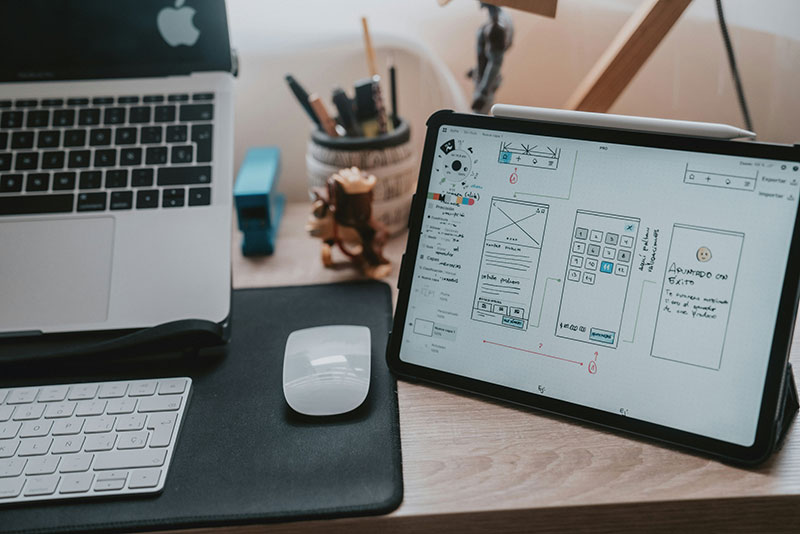
Visual Hierarchy and Clarity
A well-structured visual hierarchy is crucial for guiding users through content and features. By manipulating size, color, spacing, and contrast, designers can emphasize the most important elements and create a logical flow of information.
Clarity ensures that every interface component communicates its purpose effectively, minimizing ambiguity and helping users make decisions confidently. This combination of hierarchy and clarity leads to interfaces that are both attractive and functional.
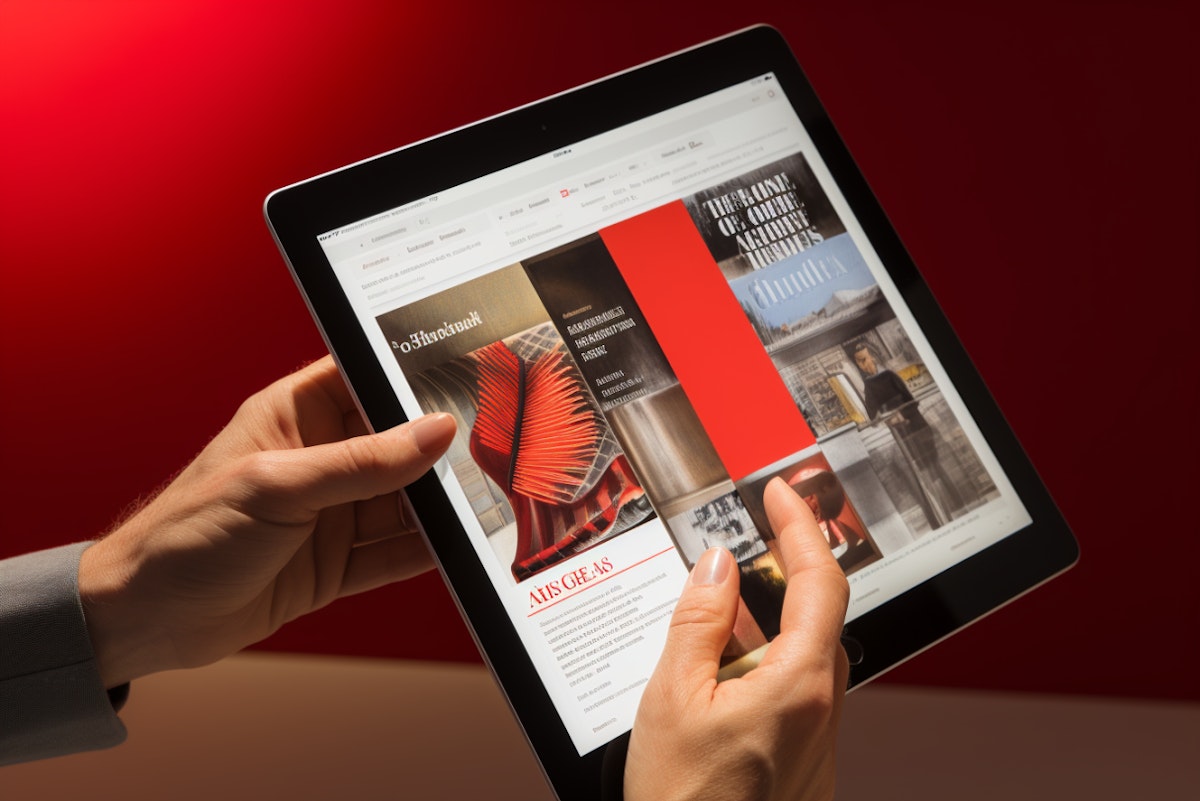

Embracing Innovation and Micro-Interactions
As design trends evolve, mastering new technologies and interaction patterns becomes vital. AI-driven personalization, immersive AR/VR experiences, and voice or gesture interfaces are reshaping the future of UI/UX.
Micro-interactions—those subtle animations and feedback cues—add delight and clarity, making interfaces feel more dynamic and engaging. Staying current with these innovations allows designers to craft experiences that feel both modern and meaningful.

More to Discover


Milestone: Published Across Three Features
A record of recent magazine mentions and the themes editors kept returning to in my work.
A milestone built from many small decisions
The achievement was not just being published. It was seeing different editors respond to the same values: clarity, atmosphere, timing, and a consistent point of view across different projects.
This approach begins with thorough research to uncover user pain points and motivations, followed by continuous testing and iteration to refine solutions. By focusing on the user’s journey and expectations, designers create experiences that feel relevant, personal, and satisfying.
Consistency and Simplicity
Consistency is a cornerstone of effective UI/UX design. When visual elements, navigation patterns, and interactions remain uniform across a product, users can quickly learn how to use it without confusion.
Simplicity further enhances usability by stripping away unnecessary complexity and presenting information in a clear, straightforward manner. Together, these principles make digital products more approachable and reduce cognitive load, allowing users to achieve their goals with ease.
Visual Hierarchy and Clarity
A well-structured visual hierarchy is crucial for guiding users through content and features. By manipulating size, color, spacing, and contrast, designers can emphasize the most important elements and create a logical flow of information.
Clarity ensures that every interface component communicates its purpose effectively, minimizing ambiguity and helping users make decisions confidently. This combination of hierarchy and clarity leads to interfaces that are both attractive and functional.
Embracing Innovation and Micro-Interactions
As design trends evolve, mastering new technologies and interaction patterns becomes vital. AI-driven personalization, immersive AR/VR experiences, and voice or gesture interfaces are reshaping the future of UI/UX.
Micro-interactions—those subtle animations and feedback cues—add delight and clarity, making interfaces feel more dynamic and engaging. Staying current with these innovations allows designers to craft experiences that feel both modern and meaningful.
More to Discover
Milestone: Published Across Three Features
A record of recent magazine mentions and the themes editors kept returning to in my work.
A milestone built from many small decisions
The achievement was not just being published. It was seeing different editors respond to the same values: clarity, atmosphere, timing, and a consistent point of view across different projects.
This approach begins with thorough research to uncover user pain points and motivations, followed by continuous testing and iteration to refine solutions. By focusing on the user’s journey and expectations, designers create experiences that feel relevant, personal, and satisfying.
Consistency and Simplicity
Consistency is a cornerstone of effective UI/UX design. When visual elements, navigation patterns, and interactions remain uniform across a product, users can quickly learn how to use it without confusion.
Simplicity further enhances usability by stripping away unnecessary complexity and presenting information in a clear, straightforward manner. Together, these principles make digital products more approachable and reduce cognitive load, allowing users to achieve their goals with ease.
Visual Hierarchy and Clarity
A well-structured visual hierarchy is crucial for guiding users through content and features. By manipulating size, color, spacing, and contrast, designers can emphasize the most important elements and create a logical flow of information.
Clarity ensures that every interface component communicates its purpose effectively, minimizing ambiguity and helping users make decisions confidently. This combination of hierarchy and clarity leads to interfaces that are both attractive and functional.
Embracing Innovation and Micro-Interactions
As design trends evolve, mastering new technologies and interaction patterns becomes vital. AI-driven personalization, immersive AR/VR experiences, and voice or gesture interfaces are reshaping the future of UI/UX.
Micro-interactions—those subtle animations and feedback cues—add delight and clarity, making interfaces feel more dynamic and engaging. Staying current with these innovations allows designers to craft experiences that feel both modern and meaningful.